
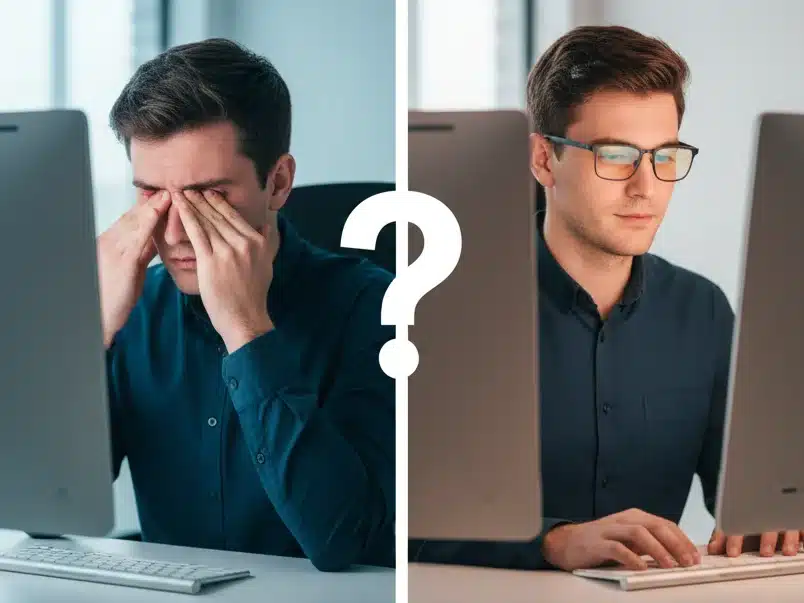
You’ve seen the ads everywhere. Blue light glasses promise to cure your eye strain. Improve your sleep. Protect your vision from screens.
Brands show impressive charts and testimonials. Some claim their glasses are “scientifically proven” or “doctor recommended.”
But what does actual research say?
Here’s the truth: The science doesn’t match the marketing. Most claims lack strong evidence.
This guide separates fact from fiction. You’ll learn what research actually shows. What causes digital eye strain. And honest reviews of popular blue light glasses.
No marketing hype. Just evidence-based information.
Let’s uncover the truth.
🎯 Quick Navigation
- Quick Comparison
- What Research Shows
- Real Causes of Eye Strain
- Product Reviews
- What Actually Works
- FAQ
📊 Quick Comparison
| Brand | Blue Light Block | Frame Style | Lens Tint | Best For |
|---|---|---|---|---|
| Felix Gray | Moderate | Fashion-forward | Minimal | Style-conscious |
| GUNNAR Intercept | 65-98% | Gaming/tech | Amber tint | Gamers |
| ANRRI | Standard | Classic | Clear | Budget buyers |
| ANYLUV | Standard | Metal | Clear | Professionals |
| Prospek ERA | Standard | Oversized | Clear | Women, fashion |
| Cyxus 8082 | Standard | Classic | Clear | General use |
🔬 What Research Actually Shows
Before reviewing products, let’s understand what science says. This matters because marketing doesn’t always match evidence.
Research on Eye Strain
Major findings:
A 2021 systematic review examined 17 randomized controlled trials. The conclusion? Blue light filtering lenses show no significant benefit for reducing eye strain.
The American Academy of Ophthalmology states clearly: “Blue light from digital devices does not cause eye strain.”
A 2023 study found no difference in eye strain between participants wearing blue light glasses versus regular glasses.
Bottom line: Digital eye strain comes from HOW you use screens, not blue light.
Research on Sleep Quality
Major findings:
Some evidence suggests blue light exposure before bed affects sleep. But research on blue light glasses is mixed.
A 2021 study found minimal sleep improvement with blue light glasses compared to placebo. Benefits were small and inconsistent.
However, reducing bright screens before bed (regardless of filtering) does improve sleep.
Bottom line: Screen habits matter more than blue light wavelengths.
Research on Eye Damage
Major findings:
No credible evidence links normal screen use to retinal damage. Blue light from screens is too weak to cause harm.
The American Academy of Ophthalmology says: “Blue light from computer screens has not been shown to lead to eye disease.”
The sun exposes you to 100 times more blue light than any screen.
Bottom line: Your screens aren’t damaging your eyes from blue light.
What Eye Doctors Say
American Academy of Ophthalmology: “The Academy does not recommend any special eyewear for computer users.”
American Optometric Association: Digital eye strain is caused by “how we use our digital devices”—not blue light.
College of Optometrists (UK): “The best scientific evidence currently available doesn’t support the use of blue-blocking spectacle lenses.”
These organizations have no financial interest in selling or not selling glasses. They follow the research.
😫 The Real Causes of Digital Eye Strain
If blue light isn’t the problem, what is?
1. Reduced Blinking
Normal blink rate: 15-20 times per minute. During screen use: 5-7 times per minute.
Less blinking means drier, more uncomfortable eyes. Blue light glasses don’t help you blink more.
2. Focusing Fatigue
Your eye muscles work constantly to focus on near objects. Sustained near focus tires these muscles.
This is why the 20-20-20 rule works—it gives muscles a break.
3. Poor Screen Positioning
Screens too close, too far, or at wrong angles force your eyes to work harder.
Proper ergonomics reduce strain more than any glasses.
4. Brightness and Glare
Screens too bright or dim relative to room lighting cause fatigue. Glare from windows forces squinting.
Adjusting lighting helps immediately. Blue light glasses don’t address glare.
5. Uncorrected Vision Problems
Mild vision issues become obvious during prolonged screen use. Your eyes work overtime to compensate.
An eye exam reveals if you need prescription glasses—which blue light filtering won’t fix.
6. Dry Indoor Air
Air conditioning and heating evaporate tears faster. This causes dryness and irritation.
Humidifiers and artificial tears provide relief. Blue light glasses don’t add moisture to air.
🕶️ Honest Reviews: 6 Popular Options
Important disclosure: Research shows limited scientific evidence that blue light glasses reduce eye strain or protect eyes. However, some people report feeling better (likely placebo effect).
If you want blue light glasses despite limited research support, here are quality options with honest assessments.
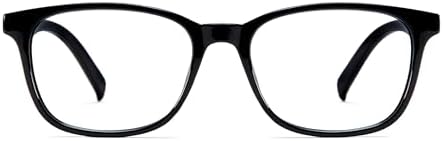
1. Felix Gray Filtered Blue Light Glasses

Blue Light Blocking: Moderate | Style: Fashion-forward | Lens Tint: Minimal
Felix Gray markets heavily to office professionals. Their glasses filter blue light while maintaining clear, fashionable lenses.
What they claim:
- Reduces eye strain
- Improves sleep quality
- Eliminates headaches
- Proprietary filtering technology
What research shows: No peer-reviewed studies specifically validate Felix Gray’s effectiveness. The general research on blue light glasses shows minimal benefits for eye strain.
What you’re actually getting:
- Well-made, stylish frames
- Quality lens coatings
- Fashion-forward designs
- Brand recognition
- Potential placebo effect
Pros:
- Attractive, professional designs
- Minimal lens tint (looks like regular glasses)
- Quality construction
- Multiple style options
- Good customer service
Cons:
- Expensive ($60-70)
- Claims not backed by independent research
- Won’t fix underlying causes of eye strain
- Non-prescription only
- Marketing overstates benefits
Best for: Style-conscious professionals who want fashionable frames and are willing to pay premium prices for potential placebo benefits.
Skip if: You want scientifically proven eye strain relief or prescription lenses.
2. GUNNAR Intercept Gaming Glasses
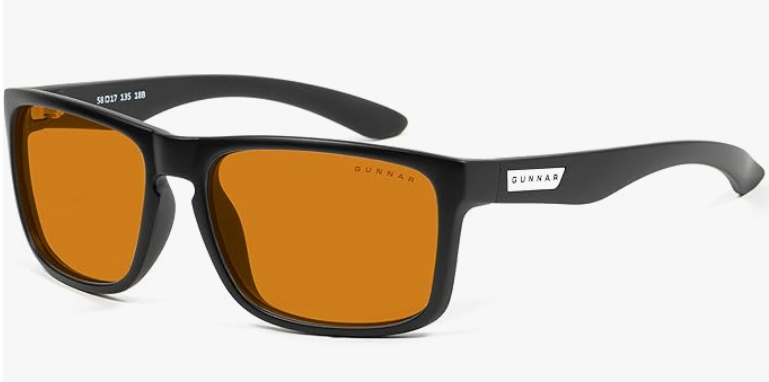
Blue Light Blocking: 65-98% | Style: Gaming/tech | Lens Tint: Amber
GUNNAR markets specifically to gamers and tech professionals. Their amber-tinted lenses block more blue light than clear alternatives.
What they claim:
- Reduces eye strain during gaming
- Blocks 65-98% of blue light
- Improves visual performance
- Reduces glare
- Patented lens technology
What research shows: Higher blue light blocking (amber tint) may help with evening screen use and sleep. However, evidence for reducing daytime eye strain remains weak.
The amber tint changes color perception, which bothers some users.
What you’re actually getting:
- Durable gaming-focused frames
- Significant blue light reduction
- Anti-reflective coating
- Magnification option (+0.20 slight magnification)
- Potential evening screen benefits
Pros:
- Highest blue light blocking (up to 98%)
- Durable construction
- Gaming-specific designs
- Anti-reflective coating reduces glare
- May help with evening screen use
Cons:
- Amber tint changes colors (bad for design work)
- Expensive ($55-70)
- Looks obvious (yellow lenses)
- May not reduce daytime eye strain despite claims
- Tint intensity bothers some users
Best for: Gamers who play late at night, people wanting maximum blue light blocking, those okay with amber-tinted vision.
Skip if: You do color-sensitive work (design, photo editing), want natural color perception, need daytime use only.

3. ANRRI Blue Light Blocking Glasses

Blue Light Blocking: Standard | Style: Classic | Lens Tint: Clear
ANRRI offers budget-friendly blue light glasses with classic styling. Popular on Amazon for affordable pricing.
What they claim:
- Anti-eyestrain
- Blocks harmful blue light
- Relieves discomfort
- Improves sleep
- UV protection
What research shows: Same as all blue light glasses—limited scientific evidence for eye strain reduction. Standard blue light blocking doesn’t differentiate this from competitors.
What you’re actually getting:
- Affordable entry point
- Basic blue light filtering
- Simple, classic frames
- Anti-reflective coating
- Budget-friendly option
Pros:
- Very affordable ($20-25)
- Clear lenses (no color distortion)
- Classic, versatile styling
- Good for testing if glasses help you
- Anti-reflective coating included
- Lightweight design
Cons:
- Basic build quality
- Frame durability varies
- Generic styling
- No advanced features
- Won’t outperform expensive options despite claims
Best for: Budget-conscious buyers, people testing if blue light glasses help them, those wanting affordable backup pairs.
Skip if: You want premium construction, need durable frames for daily use, expect scientifically proven benefits.

- REDUCE EYESTRAIN: Enjoy your digital time, NO worr…
4. ANYLUV Blue Light Glasses (Metal Frame)
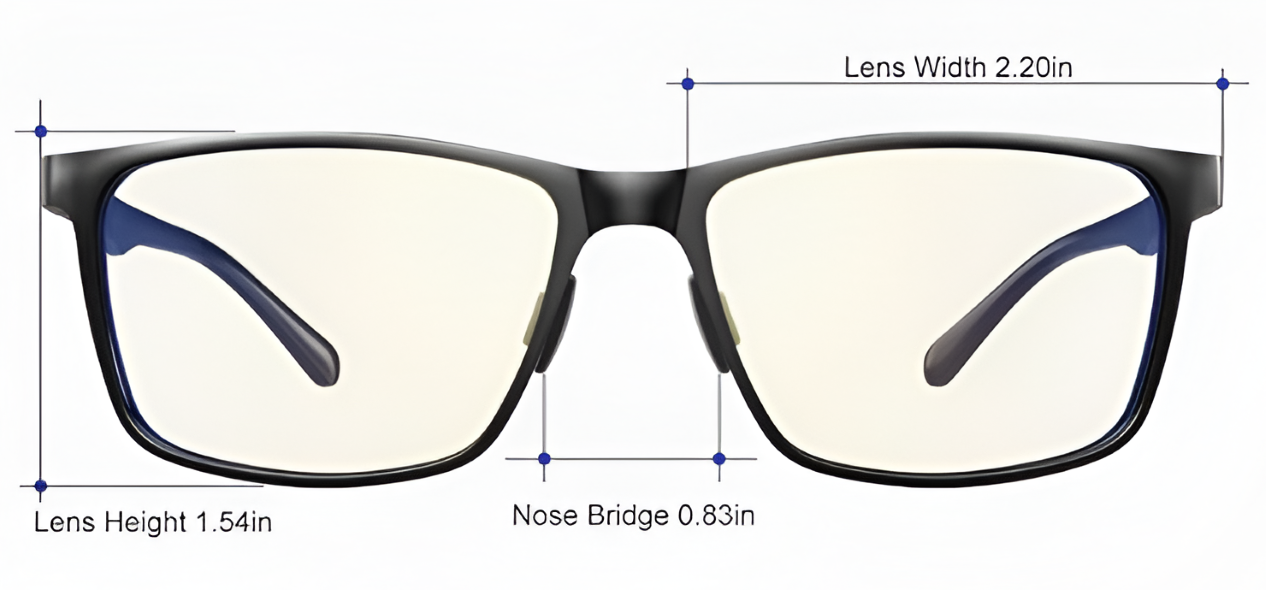
Blue Light Blocking: Standard | Style: Professional metal | Lens Tint: Clear
ANYLUV markets aluminum-magnesium metal frames for professional environments. They emphasize lightweight construction and durability.
What they claim:
- Relieve eyestrain
- Eye protection
- Lightweight Al-Mg construction
- Professional appearance
- Computer use optimized
What research shows: No specific evidence that metal frames provide better blue light protection than plastic. The material doesn’t affect filtering capability—that’s determined by lens coating.
What you’re actually getting:
- Lightweight metal frames
- Professional, modern styling
- Durable construction
- Clear lenses
- Business-appropriate design
Pros:
- Lightweight metal construction
- Professional, sophisticated look
- Durable hinges and frame
- Comfortable for extended wear
- Business-appropriate styling
- Better build than plastic budget options
Cons:
- Mid-range price ($20-25)
- Metal frames may not suit everyone
- Standard blue light blocking (not enhanced)
- Marketing claims exceed evidence
- Limited style options
Best for: Professionals wanting metal frames, office workers seeking business-appropriate styling, those preferring lightweight glasses.
Skip if: You prefer plastic frames, want maximum blue light blocking, need multiple style choices.

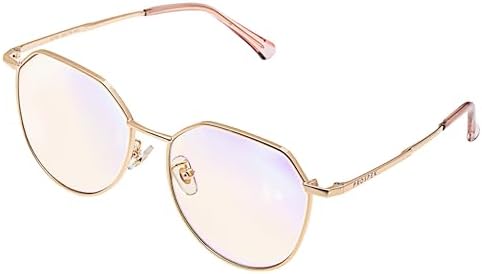
5. Prospek ERA Blue Light Glasses (Women’s Oversized)


Blue Light Blocking: Standard | Style: Oversized fashion | Lens Tint: Clear
Prospek targets women with fashion-forward, oversized frame designs. They emphasize titanium construction and anti-glare properties.
What they claim:
- Reduces eye strain
- Anti-glare technology
- Lightweight titanium frames
- Oversized coverage
- Computer use optimized
What research shows: Oversized frames don’t enhance blue light protection. Frame size affects style and coverage but not filtering effectiveness.
Anti-glare coating (AR coating) does help reduce reflections—this is separate from blue light filtering and actually beneficial.
What you’re actually getting:
- Fashionable oversized frames
- Lightweight titanium construction
- Anti-reflective coating (genuinely helpful)
- Clear lenses
- Trendy styling
Pros:
- Stylish oversized design
- Lightweight titanium frames
- Anti-reflective coating reduces glare (real benefit)
- Fashion-forward look
- Comfortable for extended wear
- Good coverage
Cons:
- Mid-range price ($35-50)
- Oversized style doesn’t suit everyone
- Face shape dependent
- Standard blue light blocking despite marketing
- May look too large on smaller faces
Best for: Women wanting fashionable computer glasses, those preferring oversized frames, style-conscious office workers.
Skip if: You prefer smaller frames, want unisex styling, have smaller facial features.
- LOOKS GREAT ON YOU – Fits All face shapes. Get rea…
6. Cyxus Blue Light Glasses 8082
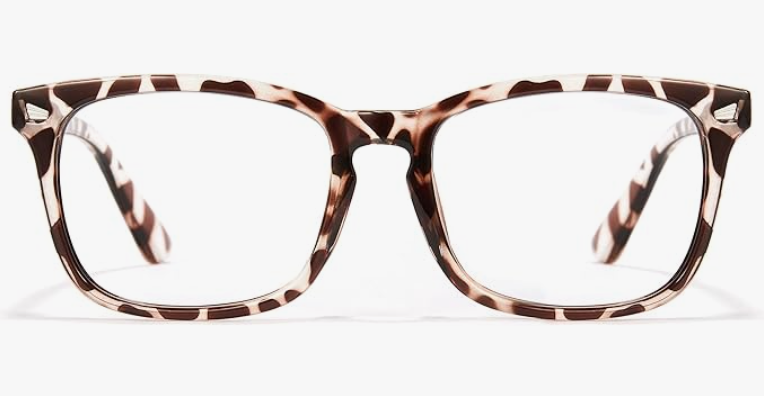
Blue Light Blocking: Standard | Style: Classic unisex | Lens Tint: Clear
Cyxus offers affordable, general-purpose blue light glasses. Popular for straightforward design and budget pricing.
What they claim:
- Reduce eye strain
- UV blocking
- Clear vision
- Suitable for men and women
- Computer use protection
What research shows: UV protection is separate from blue light filtering. UV protection outdoors is beneficial—but most comes from the sun, not screens.
Combining UV and blue light claims conflates outdoor eye protection (proven) with screen protection (unproven).
What you’re actually getting:
- Affordable unisex frames
- Basic blue light filtering
- UV protection coating
- Clear lenses
- Simple, versatile design
Pros:
- Budget-friendly ($16-30)
- Unisex styling
- UV protection included
- Clear lenses
- Straightforward design
- Suitable for various face shapes
Cons:
- Basic build quality
- Standard features only
- Generic appearance
- Frame durability varies by unit
- Won’t outperform expensive options
Best for: Budget buyers wanting unisex frames, those testing blue light glasses affordably, people wanting simple design.
Skip if: You need premium durability, want advanced features, expect proven eye strain relief.

✅ What Actually Works Better Than Glasses
Skip expensive glasses with unproven benefits. These evidence-based strategies work better:
The 20-20-20 Rule (FREE)
Every 20 minutes, look 20 feet away for 20 seconds. Gives focusing muscles a break.
Evidence: Strongly supported by research. Recommended by eye care professionals worldwide.
Proper Screen Positioning (FREE)
- Screen 20-26 inches away
- Top of screen at or below eye level
- Perpendicular to windows (no glare)
Evidence: Ergonomic positioning reduces eye strain by up to 50%.
Adequate Lighting (FREE to minimal cost)
- Match room lighting to screen brightness
- Eliminate glare on screen
- Reduce screen brightness at night
Evidence: Proper lighting significantly reduces pupil adjustment and fatigue.
Artificial Tears ($5-15)
Use lubricating eye drops throughout the day. Compensates for reduced blinking.
Evidence: Effective for dry eye symptoms related to screen use.
Regular Eye Exams (Often covered by insurance)
Identifies vision problems contributing to strain. Even mild corrections reduce eye strain significantly.
Evidence: Correcting vision problems provides immediate relief.
Screen Breaks (FREE)
Take 5-10 minute breaks every hour. Stand, move, look outside.
Evidence: Regular breaks prevent cumulative eye strain effectively.
💰 The Honest Truth About Value
Let’s be realistic about what you’re buying.
What You Pay
- Budget options: $15-30
- Mid-range: $30-50
- Premium: $50-150+
What You Get
- Fashion accessory or style preference
- Potential placebo effect (which has value)
- Anti-reflective coating (genuinely helpful for glare)
- Possible minor evening screen benefits
- Peace of mind (if marketing reassures you)
What You Don’t Get
- Scientifically proven eye strain reduction
- Protection from screen-related eye damage
- Vision correction
- Significantly better sleep than free alternatives
Better Investments
- $0: 20-20-20 rule, positioning, breaks
- $5-15: Artificial tears for dry eyes
- $0-50: Desk lighting improvements
- $100-200: Eye exam (often insurance covered)
These provide evidence-based benefits. Blue light glasses rely primarily on placebo effects.
🎯 Our Honest Recommendations
If You Want Blue Light Glasses Anyway
Best Budget Option: ANRRI or Cyxus
At $15-30, these let you test if placebo effect helps you. You’re not investing much if they don’t work.
Best for Professionals: ANYLUV or Felix Gray
If appearance matters and you want quality frames, these look professional. Understand you’re paying for style, not proven function.
Best for Gamers: GUNNAR Intercept
The amber tint may help with evening gaming sessions. But it’s the tint itself (reduces all light), not specifically blue light blocking.
Best for Women: Prospek ERA
If you want oversized, fashionable frames, these deliver. The anti-reflective coating actually helps with glare.
What We Actually Recommend
Try free solutions first:
- Practice 20-20-20 rule for one week
- Adjust screen position and lighting
- Use artificial tears if eyes feel dry
- Take regular breaks
If problems persist after two weeks of good habits, get an eye exam. You might need prescription glasses or have an underlying issue.
Blue light glasses won’t fix these problems. But proper vision correction will.
❓ Frequently Asked Questions
Do blue light glasses actually work?
Research shows minimal to no benefit for eye strain reduction. Some people feel better, likely due to placebo effects.
For sleep, reducing screen time and brightness works as well or better than blue light glasses, and it’s free.
Are expensive blue light glasses better than cheap ones?
No evidence suggests expensive options work better than budget alternatives. Both lack strong scientific support.
If you want them despite limited evidence, choose based on style preference and build quality—not health claims.
Can blue light from screens damage my eyes?
No credible evidence shows screen blue light damages eyes. The American Academy of Ophthalmology clearly states screens don’t cause eye disease.
The sun exposes you to 100 times more blue light than screens.
Will blue light glasses improve my sleep?
Evidence is mixed with small benefits. Reducing screen time before bed and using device “night mode” works as well without buying glasses.
If you use screens before bed, try free options first.
What should I do about eye strain from screens?
Follow evidence-based strategies:
- 20-20-20 rule every 20 minutes
- Position screen 20-26 inches away
- Match room lighting to screen
- Blink consciously
- Use artificial tears
- Take breaks hourly
- Get vision checked
These work better than blue light glasses according to research.
Do blue light glasses help with headaches?
Limited evidence shows they reduce headaches. If screens trigger headaches, check for:
- Uncorrected vision problems
- Screen positioning issues
- Glare from lighting
- Excessive brightness
Address these causes first. They’re more likely culprits than blue light.
Should I get prescription blue light glasses?
If you need prescription glasses for screen use, adding blue light filtering is optional. The prescription correction will help far more than the filtering.
Ask your eye doctor, but remember major ophthalmology organizations don’t recommend special eyewear for computer users.
Are there any benefits to blue light glasses?
Possible minor benefits:
- Placebo effect (genuinely helps some people)
- Anti-reflective coating reduces glare (not blue light specific)
- Amber-tinted lenses may help evening use
- Creates awareness about screen time
- Fashion accessory some people enjoy
Just understand what you’re actually getting versus marketing claims.
🌟 The Bottom Line
Blue light glasses are a solution looking for a problem that largely doesn’t exist.
What research shows:
- Blue light from screens doesn’t cause eye strain
- Screens don’t damage eyes from blue light exposure
- Major ophthalmology organizations don’t recommend them
- Free alternatives work better
What we recommend:
Try evidence-based solutions first. Most cost nothing. They work better than blue light glasses according to research.
If you still want blue light glasses, understand what you’re buying:
- Fashion accessory
- Potential placebo effect
- Peace of mind from marketing
- NOT scientifically proven eye protection
Choose budget options if testing. Don’t overpay for unproven benefits.
The honest truth: Your screen habits matter far more than blue light wavelengths. Save your money. Use free strategies that actually work.
Disclaimer: This article provides evidence-based information for educational purposes. It contains affiliate links; we earn commissions from purchases at no extra cost to you. However, our conclusions are based solely on scientific research, not commercial interests. Consult an eye care professional about your specific needs.