
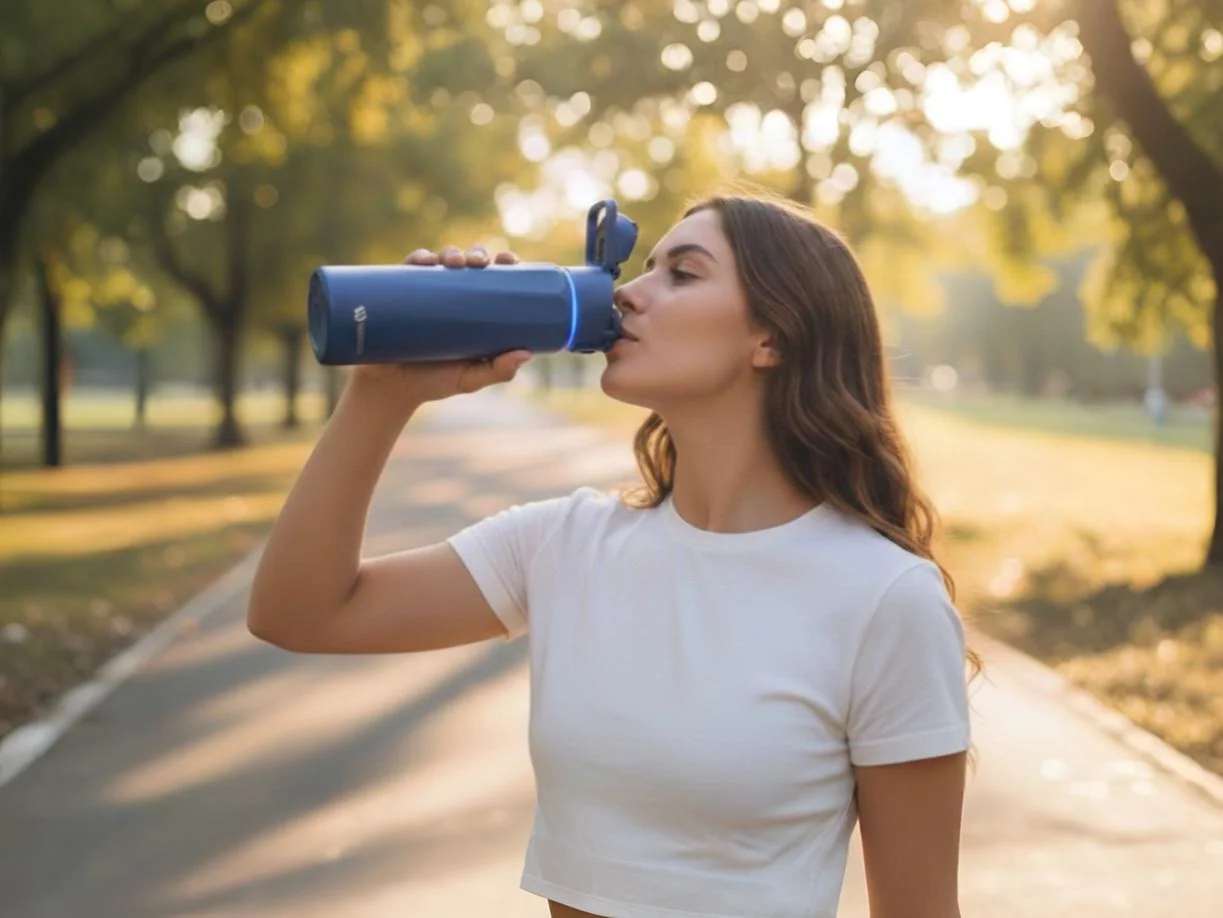
Staying hydrated sounds simple until you realize how many factors influence whether you’ll actually drink enough water throughout the day. The right water bottle isn’t just about holding liquid—it’s about temperature control that keeps your drinks appealing, convenience features that fit your lifestyle, and design elements that make hydration effortless rather than a chore you constantly forget.
The water bottle market has evolved significantly beyond basic plastic containers. Today’s options include vacuum-insulated bottles that maintain temperature for hours, smart bottles with hydration tracking, filtration systems that purify water on-the-go, and specialized designs for everything from office work to endurance sports. With options ranging from budget-friendly basics to premium tech-integrated bottles, finding the right match for your needs requires understanding what features actually matter for your situation.
Quick Answer: Top Water Bottles & Hydration Tech by Category
Best Overall Performance: YETI Rambler – Unmatched durability with exceptional insulation
Best Smart Hydration: WaterH BOOST – Advanced tracking with personalized hydration coaching
Best Self-Cleaning Tech: LARQ Bottle PureVis 2 – UV-C purification meets premium insulation
Best Rapid Filtration: GRAYL GeoPress – Press-to-filter design for travel and outdoor use
Best for Athletes: CamelBak Podium – High-flow valve designed for active use
Best Filtered Everyday Use: LifeStraw Go Series – Reliable filtration for daily hydration
Best Budget Insulated: Takeya Actives – Strong performance at an accessible price point
Best Versatile Design: Owala FreeSip – Dual drinking modes for maximum convenience
Why Your Water Bottle Choice Matters More Than You Think
Research on hydration behavior shows that people drink significantly more water when their bottles make the experience pleasant and convenient. Temperature, ease of access, and even visual reminders all influence consumption patterns. A bottle that makes drinking feel awkward or provides an unpleasant experience becomes something you’ll unconsciously avoid using.
The Health Connection
Even mild dehydration—as little as 1-2% body water loss—affects cognitive function, physical performance, and mood. The challenge isn’t understanding that hydration matters; it’s creating systems that make adequate water intake automatic. Well-designed bottles and smart hydration tech can remove the friction that prevents consistent hydration habits.
Medical research indicates that most adults need roughly half their body weight in ounces of water daily, though individual needs vary based on activity level, climate, and health conditions. The difference between meeting and missing this target often comes down to having water readily available in an appealing form.
Environmental and Economic Impact
Americans purchase approximately 50 billion plastic water bottles annually, with only about 23% being recycled. A quality reusable bottle eliminates this waste while saving money—the typical person who buys bottled water regularly spends $200-400 yearly on something available from the tap.
Beyond basic environmental benefits, choosing the right reusable bottle means you’ll actually use it consistently. A bottle that leaks, doesn’t maintain temperature, or feels inconvenient to carry ends up abandoned, negating any environmental advantage.
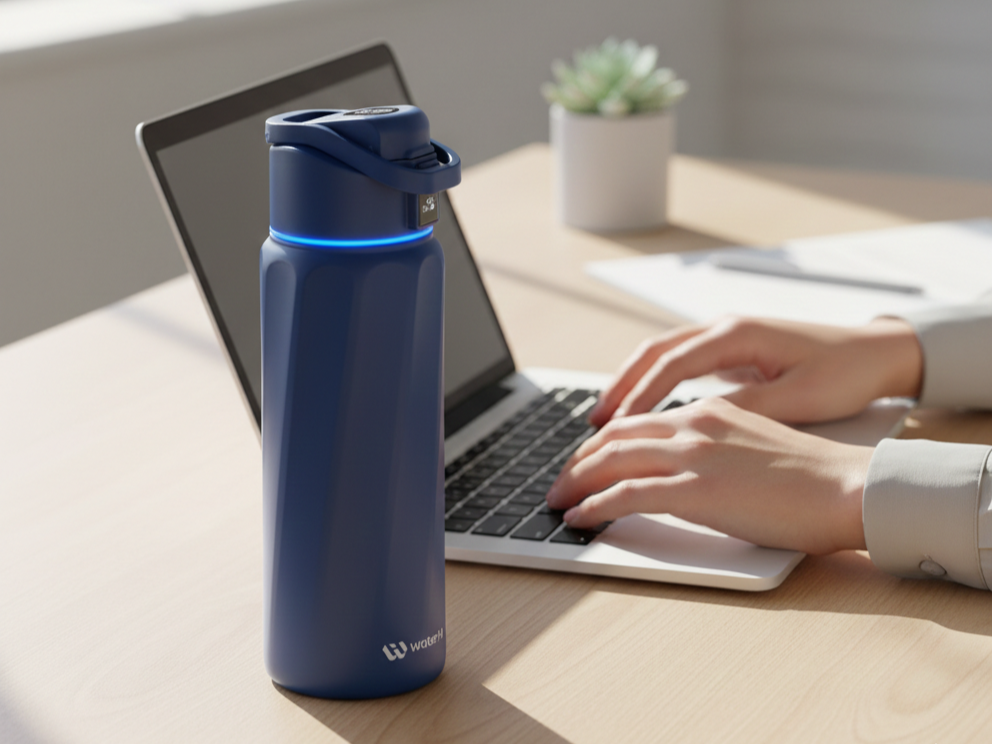
Understanding Water Bottle Categories and Technologies
Insulation Technology
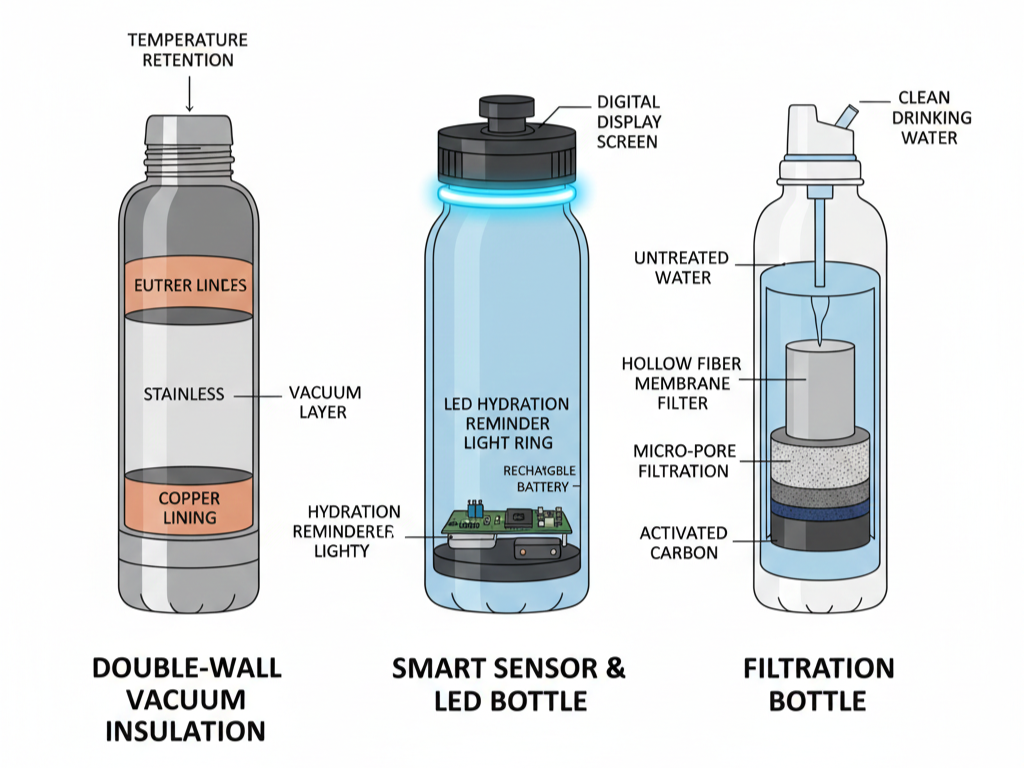
Double-wall vacuum insulation creates an airless space between inner and outer walls, preventing heat transfer through conduction and convection. Quality vacuum insulation can keep beverages cold for 24+ hours or hot for 12+ hours, though performance varies based on construction quality, lid design, and external conditions.
The effectiveness of insulation depends heavily on the lid—this is typically the weak point where heat transfers most readily. Bottles with all-metal lids generally perform better than those with plastic components, but plastic lids often offer more convenient features like straws or flip-tops.
Smart Bottle Technology
Smart bottles fall into several categories based on their tracking methods:
Sensor-based tracking uses weight or volume sensors to automatically measure consumption. These systems typically offer the most accurate tracking but require charging and add cost.
AI-powered coaching goes beyond basic tracking to provide personalized hydration recommendations based on activity, weather, and individual patterns.
Reminder systems use LED lights or smartphone notifications to encourage drinking at regular intervals. The effectiveness depends on customization options and whether reminders feel helpful versus annoying.
Most smart bottles sync with health platforms like Apple Health, Google Fit, or Fitbit, allowing hydration data to integrate with broader wellness tracking.
Filtration Systems
Water filtration bottles use various technologies:
Activated carbon filters remove chlorine, improve taste, and reduce some organic compounds. They’re effective for making municipal tap water more palatable but don’t remove all contaminants.
Hollow fiber membrane filters physically block bacteria, parasites, and microplastics through microscopic pores. Quality versions remove 99.99%+ of waterborne pathogens.
Press-filter systems use mechanical pressure to force water through filters quickly—typically 8-10 seconds for a full bottle compared to sip-drinking through passive filters.
UV-C purification uses ultraviolet light to neutralize bacteria, viruses, and other microorganisms in both water and the bottle interior. This technology requires batteries or charging.
Detailed Product Analysis
YETI Rambler: Built for Extreme Durability
Best for: Anyone needing maximum durability with exceptional temperature retention
YETI built their reputation on products that withstand extreme conditions, and the Rambler bottle exemplifies this approach. The brand is particularly popular among outdoor enthusiasts, construction workers, and anyone who subjects their gear to serious punishment.
Key Features:
The Rambler uses kitchen-grade 18/8 stainless steel that’s puncture and rust-resistant. YETI’s double-wall vacuum insulation is designed to maintain ice for 24+ hours even in hot vehicles or outdoor conditions. The no-sweat design prevents exterior condensation regardless of beverage temperature.
Available in sizes from 18oz to 64oz, with the 26oz and 36oz being most popular. The TripleHaul cap features a larger handle for easier carrying and better leverage when opening. The Chug Cap provides high-flow drinking for those who prefer faster consumption.
The DuraCoat finish provides color that won’t fade, peel, or crack even with extensive outdoor exposure. The bottle is dishwasher safe, making maintenance straightforward despite heavy-duty construction.
Strengths:
✅ Exceptional build quality and durability
✅ Outstanding temperature retention performance
✅ Withstands drops, dents, and rough handling
✅ No-sweat exterior prevents condensation
✅ Multiple cap options for different uses
✅ Dishwasher safe
✅ Five-year warranty
Limitations:
⚠️ Premium pricing reflects durability
⚠️ Heavy compared to lighter-weight alternatives
⚠️ Wide body may not fit all cup holders
⚠️ No smart tracking features
⚠️ Can show dents from extreme impacts (though function remains)
Who This Fits:
This bottle suits people who need equipment that survives challenging conditions—outdoor workers, campers, hunters, and anyone rough on gear. If you’ve broken or damaged previous bottles, the YETI’s durability justifies the premium cost. It’s particularly valuable for use in vehicles, job sites, or outdoor environments where bottles get knocked around.
Who Should Consider Alternatives:
If you primarily use your bottle in controlled environments like offices or homes, the extreme durability provides little benefit over less expensive options. Those wanting smart features or lighter weight should look elsewhere, as YETI focuses purely on traditional bottle functionality with maximum toughness.

- Get to drinking faster with the Chug Cap. It just takes a quick half-twist of the TripleHaul Handle to open and then you…
- This Double-Wall Vacuum Insulated water bottle has the power to keep your water cold (or coffee hot) until the last sip
- 18/8 stainless steel construction stands up to even the toughest of conditions
- DuraCoat Color that is built to last – no fading, peeling, or cracking here
WaterH BOOST: Smart Hydration Coach
Best for: People serious about optimizing hydration through data and personalized guidance
WaterH BOOST represents the current evolution of smart bottle technology, moving beyond simple tracking to provide AI-driven hydration coaching. This bottle analyzes your patterns and provides personalized recommendations rather than generic reminders.
Key Features:
The bottle uses advanced sensors to automatically track every sip with accuracy. According to user reports, the tracking precisely measures consumption without requiring manual confirmation or logging. The system learns your habits over time and adjusts recommendations accordingly.
The AI coaching feature considers multiple variables: your activity level tracked through phone integration, local weather conditions, altitude, and your personal hydration history. Instead of generic “drink 8 glasses” advice, you receive guidance specific to your current situation.
The app interface provides detailed analytics including hydration trends, optimal drinking times based on your schedule, and correlations between hydration and other health metrics. LED reminders on the bottle itself glow in customizable patterns, with intensity that adjusts based on how far behind your hydration goal you are.
The bottle features double-wall insulation for temperature retention, though reviews suggest it’s designed primarily for room temperature or cool water rather than maximum hot beverage performance.
Strengths:
✅ Highly accurate automatic tracking
✅ Personalized AI recommendations adapt to your needs
✅ Comprehensive app analytics
✅ Smart reminders that intensify when needed
✅ Integration with major health platforms
✅ Long battery life (reported 2-3 weeks)
✅ Learns and improves recommendations over time
Limitations:
⚠️ Premium pricing for smart technology
⚠️ Requires smartphone and active app use
⚠️ Insulation adequate but not exceptional
⚠️ Some users find the analytics overwhelming
⚠️ Battery eventually needs replacement
⚠️ Only tracks water effectively
Who This Fits:
This bottle makes sense for data-driven individuals who want to optimize hydration rather than simply track it. If you’re someone who appreciates detailed analytics and personalized recommendations in other areas (fitness, sleep, nutrition), the AI coaching provides similar value for hydration. It’s particularly useful for athletes fine-tuning performance or anyone with medical conditions requiring careful hydration management.
Who Should Consider Alternatives:
If you want simple reminders without detailed analytics, or if you find extensive app interaction tedious, basic smart bottles provide adequate functionality. Those primarily concerned with temperature retention should prioritize insulated bottles over smart features. The premium price only makes sense if you’ll actively use the coaching features.

- IDEAL FOR YOUR LOVERS: Given its combination of smart features, excellent insulation, and stylish design, the BOOST wate…
LARQ Bottle PureVis 2: Triple-Threat Hydration System
Best for: Health-conscious users wanting self-cleaning, purification, and insulation in one bottle
The LARQ Bottle PureVis 2 combines three distinct technologies: UV-C self-cleaning, water purification, and vacuum insulation. This makes it one of the most feature-complete bottles available, though this comes at premium pricing.
Key Features:
The UV-C LED in the cap activates automatically every two hours in self-cleaning mode, neutralizing bacteria and viruses that accumulate on the bottle’s interior surface. According to the manufacturer’s independent lab testing, this eliminates up to 99.9% of bio-contaminants.
Adventure Mode provides on-demand purification of questionable water sources. When activated, the UV-C system runs for 60 seconds to purify the water itself, making it safer to drink. While not as comprehensive as mechanical filtration for removing sediment or heavy metals, it effectively neutralizes biological contaminants.
The double-wall vacuum insulation keeps water cold for 24 hours or hot for 12 hours according to specifications. The insulated design is engineered to accommodate the UV-C technology in the cap without creating thermal weak points.
The bottle charges via USB-C with battery life lasting approximately one month with normal use (12 auto-cleaning cycles daily). The cap is IPX7 waterproof rated, and the bottle body is dishwasher safe.
Strengths:
✅ UV-C technology genuinely reduces odor and bacterial growth
✅ Adventure Mode purifies questionable water
✅ Excellent insulation performance
✅ Reduces cleaning frequency requirements
✅ Premium build quality
✅ Month-long battery life
✅ Combines multiple functions in one bottle
Limitations:
⚠️ High price point reflects multiple technologies
⚠️ Heavier than standard insulated bottles
⚠️ Battery will eventually need replacement
⚠️ Cap must be hand-washed
⚠️ UV-C only works with cap attached
⚠️ Adventure Mode requires 60-second wait time
Who This Fits:
This bottle suits frequent travelers who encounter varying water quality, busy professionals who forget to wash bottles regularly, and anyone concerned about bacterial buildup. The combination of self-cleaning and purification provides value if you’re in situations where water quality varies or you lack regular access to thorough cleaning facilities. The premium pricing makes sense if it replaces both a quality insulated bottle and a separate filtration device.
Who Should Consider Alternatives:
If you consistently drink from safe water sources and wash your bottle daily, the UV-C features solve problems you don’t have. Budget-conscious buyers can get excellent insulation alone for significantly less. Those needing comprehensive filtration for heavy sediment or chemical contaminants should consider mechanical filtration systems instead.

- SELF-CLEANING TECHNOLOGY: Utilizes non-toxic, mercury-free UV-C LED technology to sanitize water and clean the interior …
- HYDRATION TRACKING: Connects with the LARQ app to monitor hydration habits and set goals for better hydration. Available…
- ESSENTIAL BOTTLE FILTER – Included with the bottle, this filter removes contaminants like chlorine and PFAS (PFOA/PFOS),…
- TEMPERATURE CONTROL: Double-wall vacuum-insulated 18/8 stainless steel construction keeps drinks cold for up to 24 hours…
- RELIABLE POWER: USB-rechargeable Li-polymer battery lasts 2-3 weeks on a full charge, ensuring uninterrupted performance…
GRAYL GeoPress: Fast Filtration Anywhere
Best for: International travelers and adventurers needing rapid, reliable water purification
The GRAYL GeoPress revolutionizes filtered water bottles with its press-to-filter design. Instead of slowly sipping through a filter, you press the inner container down through the outer container, forcing water through the filter in 8-10 seconds. This speed advantage makes it practical for situations where you need substantial purified water quickly.
Key Features:
The SimpleVent drink cap allows normal-speed drinking after filtration—no suction required. This addresses a major complaint about traditional filtered bottles where the drinking experience is compromised by filter resistance.
According to independent testing, the filter removes 99.99% of viruses, 99.9999% of bacteria, and 99.9% of protozoan cysts. It also filters particulates (sediment, microplastics) and many chemicals including chlorine, benzene, and heavy metals. This makes it one of the most comprehensive portable filtration systems available.
Each filter cartridge purifies 350 cycles (approximately 65 gallons). With daily use, this translates to roughly 8-12 months before replacement. The filter is replaceable, and GRAYL offers different filter types for specific needs (standard purifier, virus protection, or tap water optimization).
The 24oz capacity provides substantial hydration per press. The bottle is made from BPA-free materials, though it’s not insulated—filtration technology and vacuum insulation remain incompatible in current designs.
Strengths:
✅ Fast filtration (8-10 seconds) vs slow sip-filtering
✅ Comprehensive contaminant removal
✅ Normal drinking speed after filtration
✅ Works with virtually any freshwater source
✅ No batteries or complicated mechanisms
✅ Durable construction for travel
✅ Large 24oz capacity
Limitations:
⚠️ No insulation capability
⚠️ Requires physical pressing (effort required)
⚠️ Filter replacement needed every 8-12 months
⚠️ Higher cost per gallon than some alternatives
⚠️ Bulkier than standard bottles
⚠️ Not ideal for clean municipal water (over-filtering)
Who This Fits:
This bottle excels for international travelers visiting developing regions, backpackers accessing rivers and streams, emergency preparedness kits, and anyone who needs safe water from questionable sources regularly. The fast filtration and comprehensive protection justify the cost if you’re frequently in situations where water safety is uncertain. It’s particularly valuable for travel where bottled water is expensive or environmentally concerning.
Who Should Consider Alternatives:
If you primarily drink safe municipal water, the comprehensive filtration is unnecessary and the lack of insulation becomes a disadvantage. For occasional outdoor use where sip-filtering is acceptable, less expensive hollow-fiber bottles work fine. Those wanting an everyday office or gym bottle should choose insulated options.

- PURIFY WATER ANYWHERE: Make sketchy water safe to drink. Ideal for outdoor adventures (hiking, camping, backpacking, fis…
Owala FreeSip: Dual-Mode Convenience
Best for: People who want drinking versatility and aren’t prioritizing maximum insulation
The Owala FreeSip stands out for its innovative dual-drinking mechanism that allows both sipping through a built-in straw and drinking from a spout opening—all from the same lid. This versatility appeals to users who want options depending on their situation.
Key Features:
The patented FreeSip spout provides two drinking methods: flip up the lid and sip from the straw for slow, steady hydration, or tilt the bottle to drink from the spout opening for faster consumption. This eliminates the need to choose between straw bottles and spout bottles.
The one-handed push-button lid opens easily and locks closed to prevent spills. The button mechanism is designed to require deliberate pressure—enough to prevent accidental opening but easy enough for convenient use.
Available in various sizes from 19oz to 40oz, with both insulated and non-insulated versions. The insulated models use double-wall vacuum technology, though user reviews suggest the insulation performance is adequate rather than exceptional—generally maintaining cold drinks for 12-18 hours.
The wide mouth opening allows ice addition and thorough cleaning. The carry loop folds into the lid when not needed. Available in numerous colors and limited-edition designs.
Strengths:
✅ Unique dual drinking modes provide flexibility
✅ One-handed push-button operation
✅ Leak-proof when properly closed
✅ Wide mouth for ice and cleaning
✅ Multiple size options
✅ Dishwasher safe (check model specifications)
✅ Affordable pricing for the features
Limitations:
⚠️ Insulation adequate but not class-leading
⚠️ Straw component requires regular cleaning
⚠️ Button mechanism may wear with very heavy use
⚠️ Some users report the straw can be finicky
⚠️ Not optimized for hot beverages
⚠️ Bulkier lid design than simple caps
Who This Fits:
This bottle suits people who vary their drinking style depending on the situation—sipping during desk work but chugging during exercise. The versatility makes it a good all-purpose bottle for those who don’t want separate bottles for different activities. The moderate pricing and feature set make it appealing for people wanting something beyond basic bottles without committing to premium prices.
Who Should Consider Alternatives:
If maximum temperature retention is your priority, dedicated premium insulated bottles outperform this. Athletes needing optimized high-flow performance should choose sport-specific bottles. Those who know they exclusively prefer either straw or spout drinking don’t benefit from the dual-mode design.

- 24-ounce insulated stainless-steel water bottle with a FreeSip spout and push-button lid with lock
- Patented FreeSip spout designed for either sipping upright through the built-in straw or tilting back to swig from the s…
- Protective push-to-open lid keeps spout clean; convenient carry loop doubles as a lock
- Double-wall insulation keeps drinks cold for up to 24 hours; wide opening for cleaning and adding ice; cup holder-friend…
- BPA, lead, and phthalate-free; hand wash cup, dishwasher-safe lid; not for use with hot liquids
Takeya Actives: Proven Budget Performance
Best for: Value-conscious buyers wanting legitimate insulated performance
The Takeya Actives has maintained popularity through consistent quality at accessible pricing. User reviews across multiple years show reliable performance without the premium cost of higher-end brands.
Key Features:
Double-wall vacuum insulation keeps beverages cold for 24 hours or hot for 12 hours according to manufacturer specifications. User reports generally confirm these timeframes are realistic for typical use, making this a legitimate performer in temperature retention.
The insulated spout lid creates a secure seal while allowing comfortable one-handed drinking. The spout design provides good flow rate without requiring extensive bottle tilting. The carrying handle integrates into the lid structure.
Available in sizes from 14oz to 40oz with the 24oz being most popular for daily use. The powder-coated exterior provides grip and comes in various colors, though users note it shows wear faster than more expensive bottles with more durable finishes.
The wide mouth base accommodates ice cubes and allows bottle brush access for thorough cleaning. Made from BPA-free materials with food-grade stainless steel construction.
Strengths:
✅ Excellent value for the performance delivered
✅ Reliable temperature retention
✅ Lightweight compared to similarly sized alternatives
✅ Wide mouth allows easy cleaning
✅ Fits most car cup holders (smaller sizes)
✅ Multiple size and color options
✅ Consistently positive user reviews
Limitations:
⚠️ Exterior finish shows wear with rough use
⚠️ One-year warranty vs lifetime warranties from premium brands
⚠️ Spout lid better for cold drinks than hot
⚠️ Build quality good but not premium
⚠️ Some users report the paint can chip
Who This Fits:
This bottle makes sense for anyone wanting insulated performance without premium pricing. It’s particularly smart for people needing multiple bottles for different locations (home, office, car, gym), those who tend to lose or damage bottles occasionally, or anyone trying insulated bottles without full commitment to expensive options. Families needing several bottles find the value proposition especially appealing.
Who Should Consider Alternatives:
If you need absolute maximum temperature retention for extreme conditions or full 24+ hour periods, premium bottles deliver measurably better performance. Those wanting bottles that maintain pristine appearance despite years of heavy use should invest in more durable construction. Anyone requiring smart tracking or filtration needs specialized bottles.

- Dishwasher Safe
- Leak-proof lid – Easy to open and won’t leak
- Double-wall design keeps bottles sweat-free
- Powder coated for sure grip – even when hands are sweaty
- Vacuum insulation keeps drinks ice cold to help you revive quickly
- No flavor transfer – switch from pre-workout, to water, to protein shake with no lingering tastes
- Removable, protective bumper for added durability
- Lifetime Warranty: Awesome. Guaranteed.
LifeStraw Go Series: Everyday Filtration
Best for: Daily users who want filtration with moderate capacity needs
The LifeStraw Go Series brings the brand’s proven filtration technology to an everyday bottle format. Unlike their more basic models, the Go Series offers larger capacity and more refined usability while maintaining the reliable filtration LifeStraw is known for.
Key Features:
The hollow fiber membrane filter removes 99.999999% of bacteria (E. coli, Salmonella), 99.999% of parasites (Giardia, Cryptosporidium), and 99.999% of microplastics according to independent testing and EPA standards. The activated carbon filter additionally reduces chlorine, odors, and organic chemical matter.
The two-stage filtration happens as you drink through the integrated straw system—no pumping, waiting, or batteries. The flow rate is noticeably restricted compared to unfiltered bottles but remains adequate for normal hydration. Users report the suction required is manageable though initially noticeable.
The membrane filter lasts for approximately 1,000 gallons (4,000 liters), while the carbon filter needs replacement after about 26 gallons (100 liters). With typical daily use, this means carbon filter replacement every 2-3 months and membrane replacement every 1-2 years.
Available in 22oz and 28oz capacities. The bottle uses BPA-free Tritan plastic rather than stainless steel—necessary because filtration and insulation technologies can’t be effectively combined in current designs.
Strengths:
✅ Hospital-grade filtration removes dangerous pathogens
✅ No batteries or complex mechanisms
✅ Meets EPA and NSF P231 drinking water standards
✅ Long-lasting membrane filter
✅ Straightforward filter replacement
✅ Affordable compared to comprehensive filtration
✅ Proven technology with extensive field use
Limitations:
⚠️ No temperature insulation
⚠️ Noticeable suction required when drinking
⚠️ Carbon filter replacement every 2-3 months
⚠️ Plastic construction less premium than stainless
⚠️ Flow rate slower than unfiltered bottles
⚠️ Straw components require thorough cleaning
Who This Fits:
This bottle suits people concerned about tap water contaminants in their municipal system, those who want filtration available for occasional outdoor activities without carrying a separate device, and anyone who travels domestically to areas with varying water quality. The filtration provides peace of mind while remaining practical for daily use. It’s also valuable for emergency preparedness—keeping a filtered bottle means you have safe water access if municipal systems fail.
Who Should Consider Alternatives:
If you primarily drink from trusted municipal water sources and want temperature control, standard insulated bottles better serve daily needs. For serious international travel or backcountry use where you need comprehensive protection and faster filtration, the GRAYL GeoPress offers advantages. Those wanting hot beverage capability need non-filtered insulated bottles.

- LifeStraw Go Series is the ULTIMATE SIDEKICK. The BPA-Free bottle filters out nasties so you can fill up from airport ba…
- IMPROVES TASTE: the Carbon filter reduces chlorine, odors + organic chemical matter
- FILTERS OUT CONTAMINANTS: the Membrane microfilter protects against 99.999999% Bacteria (including E.coli + Salmonella),…
CamelBak Podium: Athletic Performance Focus
Best for: Cyclists, runners, and anyone engaged in sustained physical activity
The CamelBak Podium is engineered specifically for athletic performance rather than all-day office use. The design priorities reflect this—easy drinking during movement matters more than maximum temperature retention or premium aesthetics.
Key Features:
The self-sealing Jet Valve allows high-flow drinking with simple bottle squeezing—no cap removal or valve manipulation required. This enables one-handed drinking while cycling or running without breaking rhythm. The valve automatically seals between drinks to prevent leaks.
The double-wall construction provides what CamelBak calls “Big Chill” insulation—designed to keep water cool during typical workout duration (2-4 hours) rather than all-day retention. This matches actual athlete needs better than over-insulating for scenarios that don’t apply to training sessions.
The 25oz capacity provides adequate hydration for most workouts without excessive weight. The bottle shape fits standard bike cages securely and most car cup holders. The positive lockout feature prevents accidental cap opening and protects the drinking valve from dirt or contamination.
The flexible bottle body makes squeezing comfortable and efficient—you can drink without tilting the bottle extensively. All components are dishwasher safe for easy maintenance after sweaty workouts.
Strengths:
✅ High-flow valve enables drinking during activity
✅ Squeeze-to-drink design perfect for cycling
✅ Leak-proof when properly locked
✅ Fits bike cages and cup holders
✅ Easy to clean (all parts dishwasher safe)
✅ Suitable for sports drinks and water
✅ Trusted by professional athletes
✅ Affordable pricing for the performance
Limitations:
⚠️ Limited insulation (2-4 hours vs 24+ hours)
⚠️ Not designed for hot beverages
⚠️ Valve requires cleaning to prevent buildup
⚠️ 25oz capacity insufficient for very long activities
⚠️ Flexible body less rigid than some prefer
⚠️ Athletic design less appealing for casual use
Who This Fits:
This bottle excels for serious athletes who need functional hydration during training. Cyclists particularly benefit from the cage-compatible design and squeeze-valve system that allows drinking without slowing. Runners appreciate the high-flow capability without requiring bottle tilting. If you regularly engage in sustained cardio activities where hydration timing matters, the design advantages are significant.
Who Should Consider Alternatives:
For office use, commuting, or general daily hydration where you’re not actively exercising, bottles with better all-day insulation make more sense. The athletic design features provide no benefit for stationary use. Those wanting hot beverage capability or maximum cold retention for all-day use should choose differently. If you exercise briefly or infrequently, the specialized design is unnecessary.

- Double Wall Vacuum Insulation: Keeps drinks cold for hours, even in extreme heat
- Premium Stainless Steel: Built tough for durability without compromising taste
- No Squeeze Required: Just lift and sip with high flow cap for fast hydration
- Leakproof Lockout: Prevents spills and splashes during transport or rides
- Optimized Cage Fit: Securely fits most bike bottle cages for a stable ride
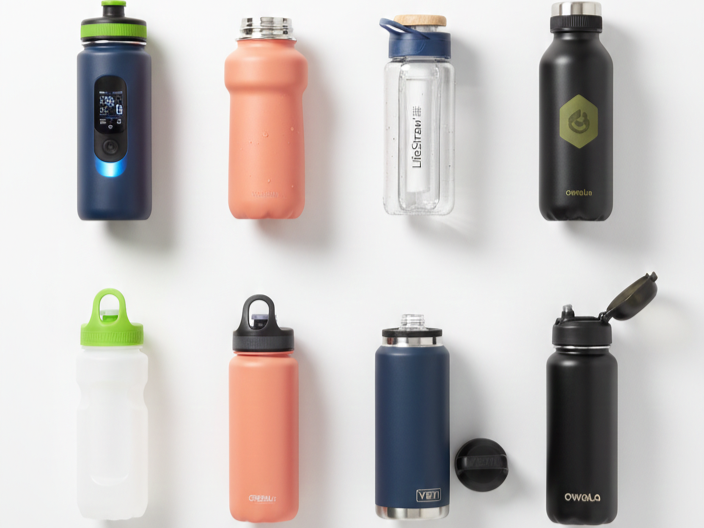
Quick Comparison Table
| Bottle | Best For | Insulation Performance |
|---|---|---|
| YETI Rambler | Extreme durability | Excellent (24+ hrs cold) |
| WaterH BOOST | Smart tracking & coaching | Moderate (room temp optimized) |
| LARQ Bottle PureVis 2 | Self-cleaning & purification | Excellent (24 hrs cold, 12 hrs hot) |
| GRAYL GeoPress | Rapid filtration anywhere | None (filtration focused) |
| Owala FreeSip | Dual drinking modes | Good (12-18 hrs cold) |
| Takeya Actives | Budget value | Good (24 hrs cold, 12 hrs hot) |
| LifeStraw Go Series | Everyday filtration | None (filtration focused) |
| CamelBak Podium | Athletic performance | Light (2-4 hrs during workouts) |
Comprehensive Buying Guide
Matching Bottle Type to Your Primary Use
Office and Desk Work: Prioritize excellent insulation (keeps morning coffee hot, afternoon water cold), convenient one-handed operation, and designs that don’t create condensation on desks. Smart tracking can help if you get absorbed in work and forget to drink. Leak-proof construction is essential around electronics.
Commuting and Travel: Look for bottles that fit vehicle cup holders, provide easy drinking while in motion, and offer insulation matching your commute duration. For international travel, consider filtered bottles that provide safe water access anywhere.
Athletic Training: High-flow drinking mechanisms, lightweight construction, and insulation matching typical workout duration matter most. Squeeze bottles and sport caps enable drinking during movement without breaking pace.
Outdoor Activities: For hiking and camping, consider filtered bottles for safe water from natural sources, or extremely durable construction that withstands rough handling. Capacity should match refill availability—larger bottles for areas without water access.
Everyday Versatility: If you want one bottle for multiple uses, look for balanced features—decent insulation, convenient drinking, and reasonable durability without specializing in any single area.
Understanding Insulation Performance
Double-wall vacuum insulation creates an airless barrier between inner and outer walls, preventing heat transfer. Quality differences come from:
- Seal integrity: Poor vacuum seals allow air infiltration that reduces performance
- Lid design: Heat transfers through lids faster than properly insulated walls
- Metal quality: Grade 304 (18/8) or 316 stainless steel performs better than lower grades
- Wall thickness: Thicker walls generally provide better insulation but add weight
Realistic expectations matter. Marketing claims often cite ideal laboratory conditions. Real-world performance varies based on starting temperature, external conditions, and how often you open the bottle.
Consider whether you need maximum performance. If beverages typically get consumed within 4-6 hours, moderate insulation provides adequate temperature maintenance at lower cost and weight.
Smart Feature Evaluation
Smart bottles range from genuinely useful to solving problems most people don’t have:
Automatic tracking provides value if you want accurate consumption data without manual logging. However, these systems typically only work with water—they can’t differentiate beverages.
AI coaching goes beyond basic tracking to provide personalized recommendations. This adds value if you’re serious about optimizing hydration for performance or health conditions.
LED reminders help establish habits by prompting regular drinking. Effectiveness depends on customization—reminders need appropriate timing and intensity.
App integration with health platforms adds value if you’re already tracking fitness metrics. Standalone bottle apps provide less value unless they offer genuinely useful features.
Battery management adds another device to charge. Consider whether you’re willing to maintain this routine—dead batteries eliminate smart functionality.
Filtration: When It’s Worth It
Filtration makes sense when:
International travel to regions where water treatment standards differ or where digestive systems aren’t adapted to local water profiles.
Outdoor activities accessing rivers, streams, or lakes that may contain bacteria, parasites, or protozoa dangerous to human health.
Municipal water concerns about specific contaminants in your local supply. Check your water quality report to understand what’s actually present.
Taste improvement in areas with heavily chlorinated water or mineral content affecting flavor.
Emergency preparedness where having reliable water purification provides security during infrastructure failures.
Important limitations: Filtration systems add drinking resistance (passive filters) or require effort (press filters), need filter replacement (recurring cost), and typically prevent insulation. Don’t add these trade-offs unless filtration provides genuine benefit.
Material Considerations
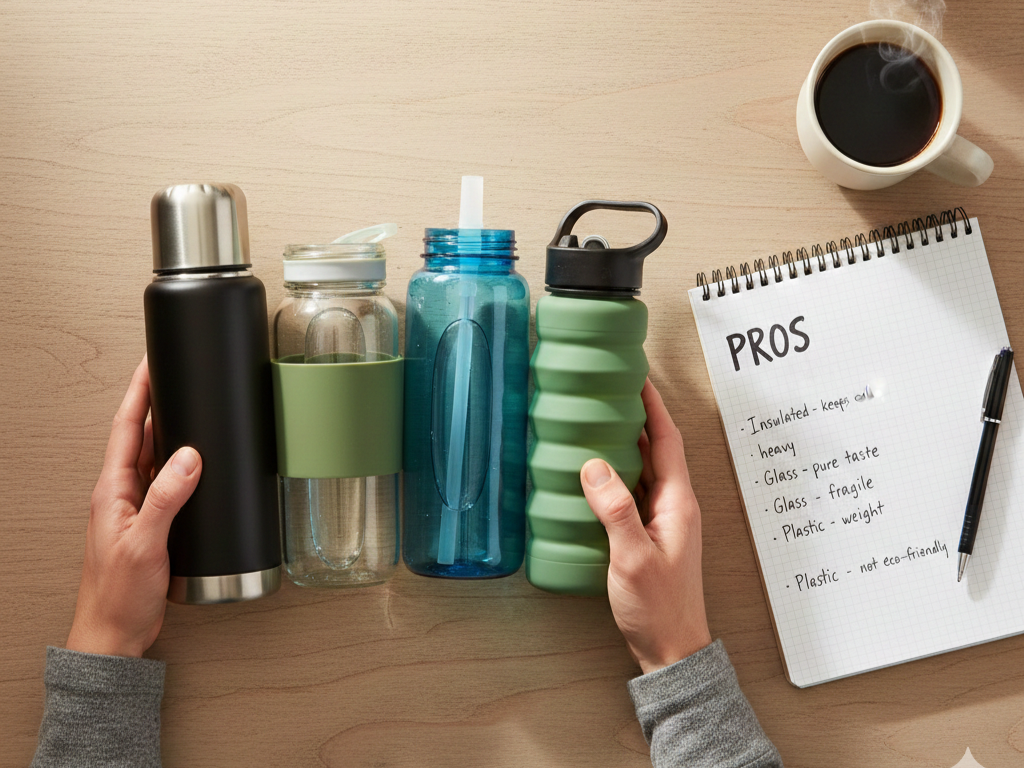
Stainless Steel (Grade 304/18-8): Industry standard for quality bottles. Durable, recyclable, supports vacuum insulation, and generally taste-neutral. Heavier than plastic but significantly more durable.
Stainless Steel (Grade 316): Superior corrosion resistance for salt water exposure. More expensive but beneficial for marine environments.
BPA-Free Plastic (Tritan): Lightweight and affordable but can’t match stainless steel for durability or insulation capability. Necessary for bottles with filtration systems. May develop taste or odor over extended use.
Silicone: Used in collapsible bottles for space-saving designs. Food-grade silicone is safe and flexible but can retain odors requiring thorough cleaning.
Glass (Borosilicate): Absolutely taste-neutral and chemical-free. Heavier and more fragile than alternatives despite protective sleeves. Ideal for taste-sensitive users in controlled environments.

Size and Capacity Selection
14-18oz: Suitable for short periods, children, or maximum portability. Requires frequent refills—approximately 2-3 hours for most adults.
20-26oz: Sweet spot for daily use—balances adequate capacity with manageable weight. Fits most cup holders and bags. Provides roughly 3-4 hours of hydration.
32-40oz: All-day capacity without refills. Heavy when full (2-2.5+ pounds) and often too large for standard cup holders. Best for situations where refilling is inconvenient.
64oz+: Essentially portable jugs. Make sense for group use, full-day outdoor activities, or stationary locations where portability doesn’t matter.
Consider mouth opening too. Wide mouths allow ice and easy cleaning but make drinking during movement awkward without straw lids. Narrow mouths facilitate drinking but limit cleaning access.
Lid Design and Mechanics
Threaded screw caps create the most reliable leak-proof seals but require two-handed operation and complete removal. Best for maximum security.
Flip-top caps allow one-handed drinking with reasonable seal security. Good balance of convenience and leak protection.
Straw systems enable drinking without tilting—useful for multitasking or desk use. Require more frequent thorough cleaning.
Squeeze valves allow high-flow drinking during athletic activities. Enable drinking without cap removal but need regular valve cleaning.
Push-button mechanisms provide one-handed operation with deliberate pressure preventing accidental opening.
Consider cleaning complexity. Simple designs with few parts remain cleaner with less effort. Complex mechanisms require more maintenance.
Common Mistakes to Avoid
Buying Maximum Capacity Without Considering Weight
Large bottles seem like better value until you realize a full 40oz bottle weighs over 2.5 pounds. Many people buy large capacity then rarely fill them completely because the weight becomes cumbersome. Choose capacity based on realistic carrying comfort, not theoretical maximum need.
Ignoring Your Actual Cleaning Habits
Bottles with straws, valves, or smart components require more thorough and frequent cleaning than simple wide-mouth designs. If you’re not diligent about maintenance, these complex features become sources of bacterial growth and odor. Choose designs matching your realistic cleaning routine.
Overvaluing Features You Won’t Use
Smart tracking sounds appealing but only provides value if you’ll actually review the data and respond to reminders. Maximum insulation costs more but offers no benefit if your beverages empty within hours. Filtration adds complexity for water that’s already safe. Buy features that solve your specific problems, not theoretical capabilities.
Focusing Exclusively on Price
The cheapest bottles often leak, break quickly, or perform poorly—false economy. But premium prices don’t guarantee proportional performance improvement. Look for value (performance relative to cost) rather than lowest price.
Choosing the Wrong Type for Your Needs
Filtered bottles work perfectly for travel but add unnecessary complexity for office use with safe tap water. Athletic bottles optimize for performance during movement but lack features useful for desk work. Smart bottles require app engagement that some users find tedious. Match bottle type to your dominant use case.
Neglecting Cup Holder Compatibility
Many quality bottles exceed standard cup holder dimensions, making them inconvenient for vehicles or gym equipment. If you frequently use cup holders, verify dimensions before purchasing—particularly with larger capacities.
Frequently Asked Questions
How long do insulated bottles keep drinks cold or hot?
Quality vacuum-insulated bottles typically maintain ice water cold for 20-28 hours and hot beverages above 140°F for 8-12 hours under controlled conditions. Real-world performance varies based on starting temperature, external conditions, and opening frequency. Expect 15-24 hours cold and 6-10 hours hot with normal use.
Are smart water bottles worth the investment?
Smart bottles provide value for people who struggle with consistent hydration and respond well to tracking and reminders. If you regularly fall short of hydration goals despite intentions, automated tracking and prompts can help establish better habits. However, if you’re already hydrating adequately or find app engagement tedious, the premium cost isn’t justified.
Do I need a filtered water bottle for municipal tap water?
Most municipal water in developed countries meets safety standards without requiring additional filtration for health protection. Filtration makes sense for taste improvement if your water has chlorine or mineral flavors you dislike, or for travel where water quality varies. Check your local water quality report—if it meets standards and tastes fine, filtration provides minimal benefit.
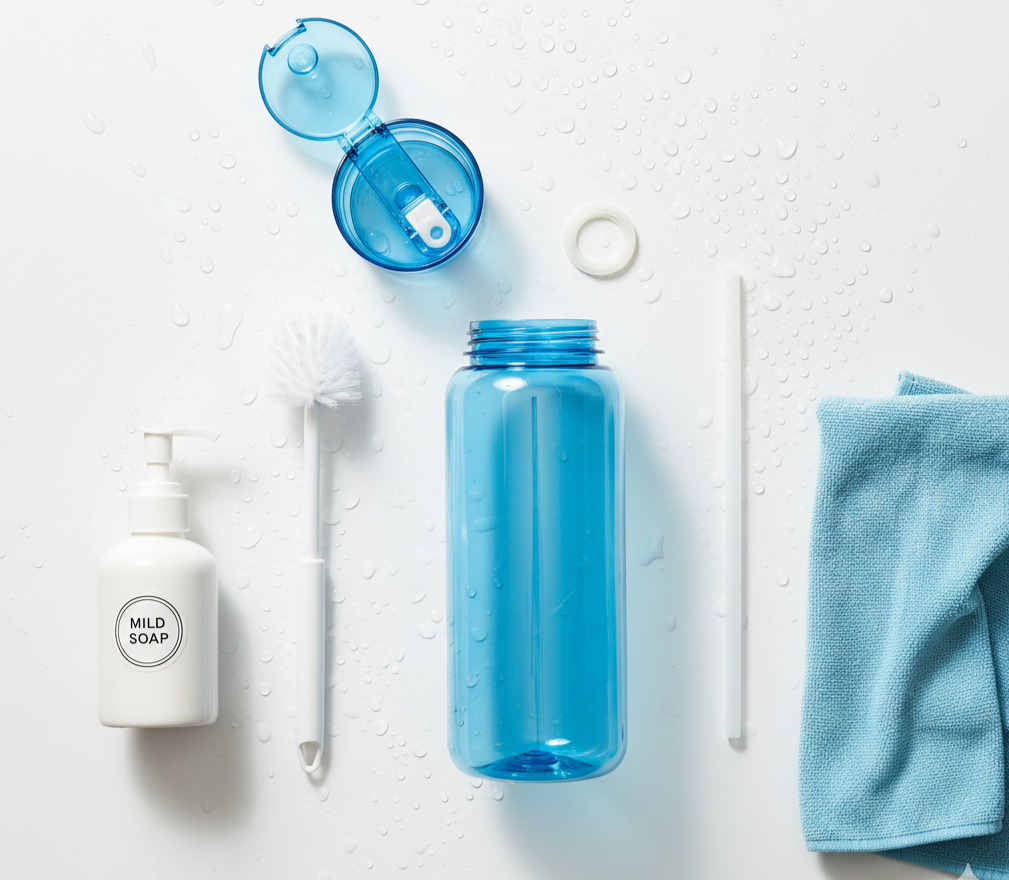
How often should water bottles be cleaned?
Daily rinsing with hot soapy water and complete air drying is recommended for bottles used with plain water. Weekly deep cleaning with bottle brushes should target all components. Bottles used with beverages other than water need cleaning after each use. Bottles with straws or valves require more frequent thorough cleaning. Self-cleaning UV bottles reduce but don’t eliminate manual cleaning needs.
What’s the difference between pressed and passive filtration?
Passive filtration (LifeStraw-style) filters water as you sip, creating noticeable suction resistance but requiring no effort. Press filtration (GRAYL-style) forces water through filters by pressing, taking 8-10 seconds of effort but allowing normal-speed drinking afterward. Press systems generally filter faster for larger volumes; passive systems require no mechanical action.
Can insulated bottles go in the dishwasher?
This varies by manufacturer and component. Many stainless steel bottle bodies are dishwasher safe, but lids with rubber seals, electronic components, or specialized coatings often require hand washing. Dishwasher heat can potentially damage vacuum seals over time. Always check manufacturer specifications—when in doubt, hand wash to protect performance and longevity.
How do UV-C purification bottles work?
UV-C bottles use ultraviolet light at specific wavelengths (typically 280nm) to damage the DNA/RNA of bacteria, viruses, and protozoa, preventing them from reproducing. This neutralizes biological contaminants in both water and on bottle surfaces. The process takes 60-180 seconds depending on mode. UV-C doesn’t remove sediment, chemicals, or heavy metals—it specifically targets biological organisms.
What size water bottle is best for daily use?
For most adults, 20-26oz provides the best balance—adequate for 3-4 hours of hydration without excessive weight or bulk. This size fits most cup holders and bags. Choose smaller (14-18oz) for children or maximum portability. Choose larger (32-40oz) if you need all-day capacity without refill access, accepting the increased weight when full.
Do expensive bottles perform significantly better than mid-range options?
Price often correlates with durability, insulation performance, and warranty coverage, but not linearly. Premium bottles typically excel in specific areas—YETI’s extreme durability, LARQ’s multi-function technology—justifying higher cost for users needing those specific capabilities. Mid-range bottles from quality manufacturers often deliver 80-90% of performance at 50-60% of cost, representing better value for users without specialized needs.
How long do water bottle filters last?
This varies by filter type and usage:
- Activated carbon filters: 40-100 gallons (2-4 months daily use)
- Hollow fiber membrane filters: 250-1,000 gallons (6 months to 2 years)
- Press-filter cartridges: 250-350 uses (8-12 months typical use)
- UV-C systems: No filters, but lamps need replacement every 2-3 years
Follow manufacturer schedules rather than waiting for taste changes—effectiveness decreases before noticeable taste differences appear.
Final Recommendations
Choosing the right water bottle depends less on which option is objectively “best” and more on which best matches your specific needs, habits, and usage patterns.
For Extreme Durability: YETI Rambler
If you need equipment that survives challenging conditions—outdoor work, construction sites, camping—the YETI’s exceptional build quality justifies the premium price. The five-year warranty and reputation for withstanding serious abuse make this the choice for rough use.
For Optimized Hydration: WaterH BOOST
If you’re serious about hydration optimization and appreciate data-driven health management, the AI coaching and comprehensive tracking provide genuine value. This bottle suits athletes fine-tuning performance and health-conscious individuals wanting to perfect hydration habits.
For Multi-Function Excellence: LARQ Bottle PureVis 2
The combination of self-cleaning, purification, and excellent insulation makes this ideal for busy professionals and travelers. If you encounter varying water quality and want reduced cleaning maintenance, the triple-threat functionality justifies premium pricing.
For Travel Purification: GRAYL GeoPress
International travelers and outdoor enthusiasts needing comprehensive filtration with rapid results should choose this. The press-to-filter design and extensive contaminant removal provide security when water quality is uncertain.
For Budget Excellence: Takeya Actives
Anyone wanting legitimate insulated performance without premium pricing should start here. The reliable temperature retention and affordable cost make this smart for families needing multiple bottles or anyone trying quality insulated bottles for the first time.
For Drinking Versatility: Owala FreeSip
The dual-mode drinking design provides genuine flexibility for people whose hydration needs vary throughout the day. If you want one bottle that adapts to different situations without specialized features, this offers good value.
For Everyday Filtration: LifeStraw Go Series
If you want filtration available for daily use and occasional outdoor activities without carrying separate devices, this provides proven technology in a practical everyday format. It’s also valuable for emergency preparedness.
For Athletic Performance: CamelBak Podium
Cyclists, runners, and endurance athletes needing functional hydration during training should choose this. The high-flow squeeze valve and sport-optimized design provide meaningful advantages during active use.
The water bottle market offers genuine innovation and meaningful performance improvements over basic bottles—but only when features match actual needs. The best bottle for you is the one you’ll consistently use, properly maintain, and that removes specific friction points from your hydration routine.
Don’t buy maximum features or premium pricing unless those capabilities solve problems you actually experience. Adequate hydration impacts cognitive performance, physical health, and overall wellbeing, but achieving consistent hydration requires making the process effortless rather than adding unnecessary complexity.
Choose the bottle that makes drinking water so convenient and appealing that proper hydration becomes automatic rather than something requiring constant willpower.